
Physical Therapy Tips for a Healthy Hiking Season
Now that the weather is getting warmer and the snow is beginning to melt in the high country, you might be getting the itch to dust off those hiking boots and hit the trails. Getting back into hiking might seem straightforward enough…Don’t you just lace up your boots and start on your way? That’s certainly one way to do it, but without the proper pre-season training and equipment considerations, you run the risk of developing pain and/or injury that could keep you away from enjoying a full season on the beautiful trails of Colorado. If this sounds like something you’ve dealt with before, or if it’s something you want to address before it becomes a problem, read on to learn tips to stay healthy all season long!
Tip 1: Be aware of common hiking injuries
Being aware of the most common hiking injuries lets you know what to look out for and what measures to take to prevent potential injuries from becoming a full-fledged problem. Some of the most common injuries we see as Physical Therapists are:
- Knee pain
- Back pain
- Ankle sprains
- Shin splints
- Foot/toe pain
- Overuse injuries
Hiking is a demanding sport that requires strength, balance, and endurance. It is also a repetitive activity, often requiring several hours of climbing uphill and braking downhill. The repetitive nature of the sport is taxing on muscles, tendons, and supportive structures in your joints, which can lead to injury if gone unchecked. You can help prevent these injuries by ensuring you have the right equipment, slowly working your way up to challenging hikes, and initiating a pre-season strength and conditioning routine before you hit the trails! Stay tuned for the next blog post on specific pre-season strength and conditioning exercises!
Tip 2: Ensure you have the right equipment
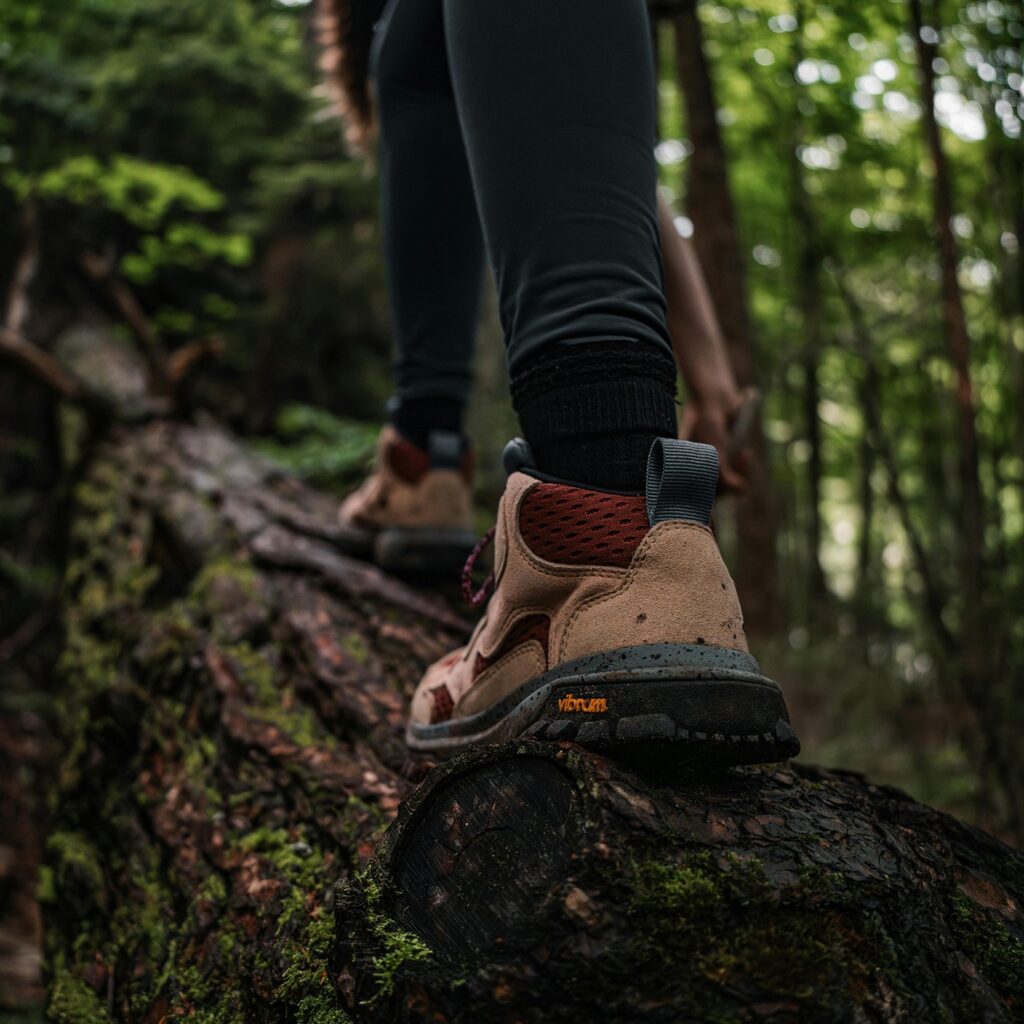
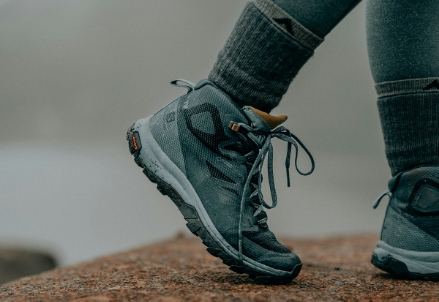
Get a good pair of hiking shoes – Some of the most common hiking injuries are sprained ankles and foot pain. It is imperative you have a supportive shoe that can withstand the variations in terrain, have good non-slip tread, and have enough arch support to give your foot and ankle the support it needs. Having a good hiking shoe can also prevent bunions and plantar fasciitis (heel pain) long-term.
It is recommended you try on several brands and types of hiking shoes to truly find the one that fits the most comfortably. You don’t want to run the risk of needing to turn around early because your feet hurt! Or worse, limp your way through the hike and cause a more serious issue because you’re not walking normally.
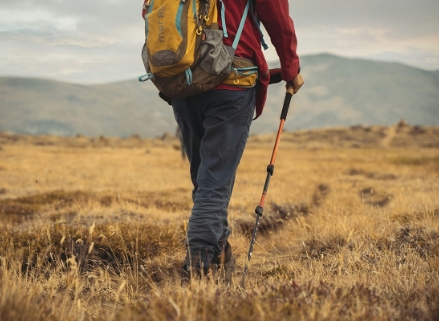
Consider trekking poles – Trekking poles are great for balance, as they give you a few extra contact points with the ground, which allows you to easily correct minor losses of balance from stepping sideways on a rock, for instance.
They can also help offload the demand on the muscles in your legs by allowing your arms to do some of the work. By firmly planting your trekking poles and pulling with your arms AS you press up with your legs, you can spread out the work that needs to be done to climb and descend steep terrain, thus, protecting yourself from overuse injuries and minor sprains/strains.
Tip 3: Start slow and build your way up!
The top mistake people make early in the hiking season is jumping right into long hikes with lots of elevation gain/loss. It’s no surprise that starting with a challenging hike right out of the gates often leads to aches and pains that could plague you all season long.
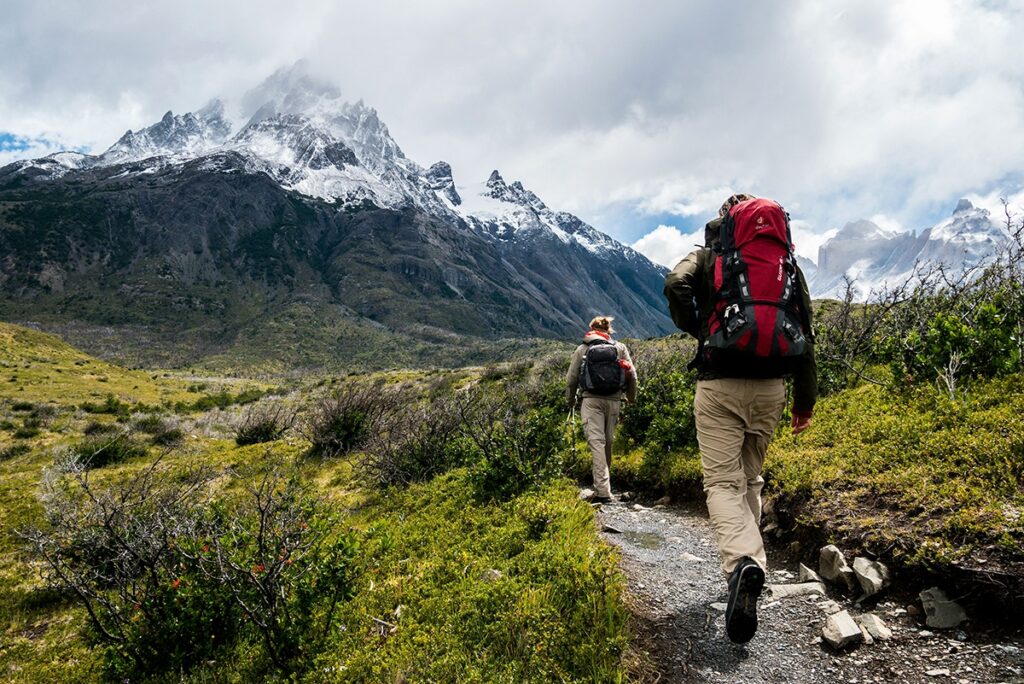
It is recommended that you start off the season with a few easier hikes that are shorter in distance with minimal elevation gain/loss and slowly increase in both distance and incline as your fitness improves. This will allow your body to adapt slowly to the new type of exercise without those pesky overuse injuries, like tendonitis, creeping up.
Here’s an example of an early-season series of hikes that I like to use to ease myself into the hiking season:
Long Lake via the Pawnee Pass Trail (Brainard Lake Recreation Area)
*If you are fairly fit coming out of the winter season and think you can handle more than just the 1.8 mi round trip to Long Lake, you can continue on another 2.6 miles round trip on Pawnee Pass Trail to Lake Isabelle!
-Length: 1.8 – 4.4 mi
-Elevation: 88 – 390 ft
Lost Lake via the Hesse Trail (Roosevelt National Forest)
-Length: 4.0 mi
-Elevation: 830 ft
Evergreen Mountain Loop (Dedisse/Three Sisters Park)
-Length: 5.3 mi
-Elevation: 1,1010 ft
If you’re feeling fit after these hikes and are up for a greater challenge, try these:
Bear Peak (Boulder Open Space)
-Length: 8.1 mi
-Elevation: 1,991 ft
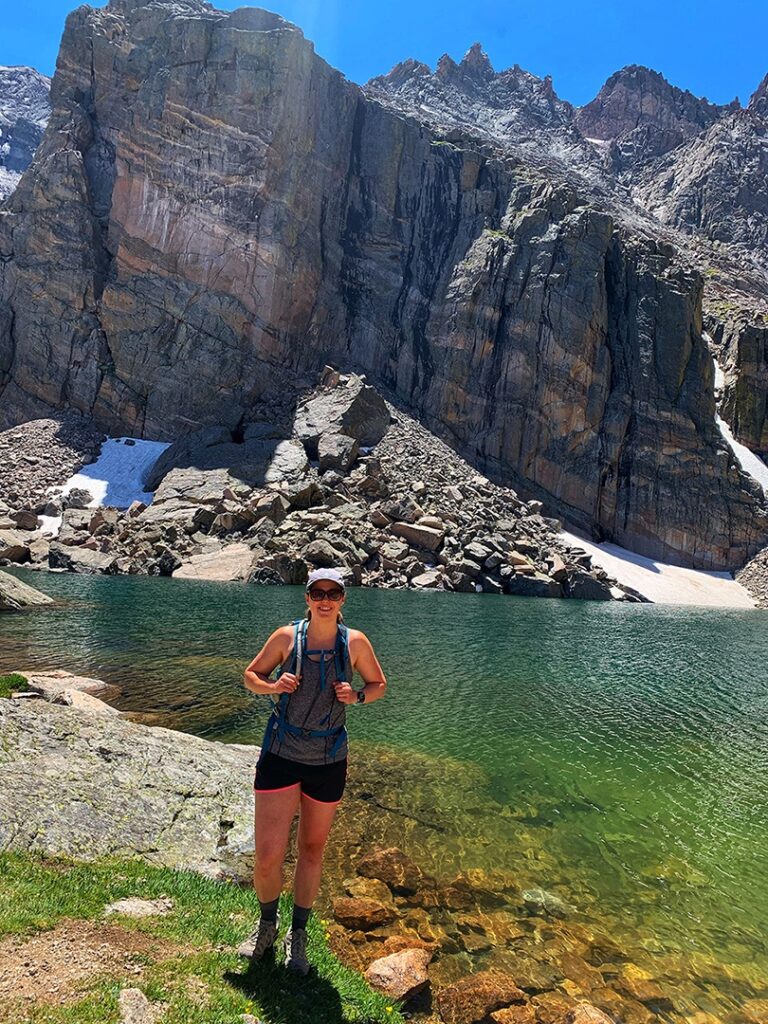
Chasm Lake (Rocky Mountain National Park) *my all-time favorite in all of Colorado!
-Length: 8.0 mi
-Elevation: 2,552 ft
Contact Us Today
Not sure where to start?
Schedule your free 15-minute consultation.
Returning client or ready to get started with therapy today? Call us to schedule your appointment.