
Birth Preparation: How to Physically and Mentally Prepare for Labor
Pregnancy is an incredibly transformative and empowering experience. Preparing your body for birth can make the process smoother, safer, and can give you more confidence. While most prenatal education focuses on what to expect during labor, birth preparation in pelvic floor physical therapy focuses on how to prepare your body before labor even begins.
From learning techniques to reduce the risk of tearing to learning how to push effectively, this phase of care helps expecting parents enter labor feeling confident, strong, and calm.
What is included in birth preparation?
Birth preparation in pelvic floor physical therapy focuses on helping your body and mind get ready for labor and delivery. Birth prep sessions often begin around 34 weeks along and include education, hands-on techniques, and guided practice to support the birth process.
Some key areas we address include:
- Perineal massage to reduce the risk of tearing
- Pelvic floor relaxation and release work to allow for easier passage of the baby
- Pushing mechanics for effective and safe pushing
- Optimal pelvic positioning to open the pelvic inlet and outlet at the right times
- Guidance for early labor—what to do before you arrive at the hospital or birth center
Perineal Massage
Purpose: Prepare tissues for vaginal delivery by increasing tissue extensibility, recognizing and tolerating stretching during birth, and reducing risk of perineal tearing
When to start: Begin perineal prepping 1-2x weekly starting at ~35 weeks. Increase to daily from week 38 to delivery.
Dosage: Perform once a day for 3-5 min.
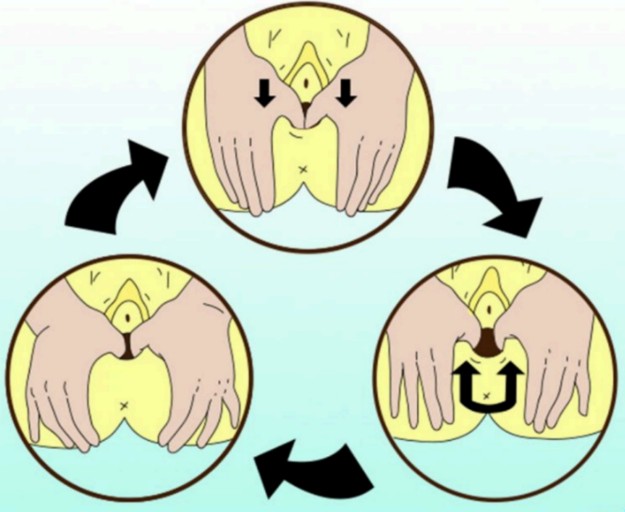
Instructions for perineal massage:
- Make sure nails are trimmed short and hands are clean.
- Sit and lean back in a reclined position in bed with your back resting against the headboard and a pillow supporting your low back.
- Place a small amount of water-based lubrication or natural oil (ie. coconut oil) on the pads of your thumbs and on the perineum
- Place your thumbs together (pads facing down) and insert just inside the vaginal opening so the pads of your thumbs are in contact with the tissue between the vaginal opening and the anal sphincter.
- First, keeping your thumbs together, press straight down towards the anal sphincter
- Second, spread your thumbs apart in a “U” shaped motion, focusing on stretching the tissues between the vaginal opening and the anus.
- Hold this for ~30-45 sec while you take deep breaths focusing on allowing your pelvic floor to relax.
- It is normal to feel slight burning, numbness, and/or stretching of the skin as you hold.
- Repeat this process 5-6 times. Holding pressure in ~30-45 sec bouts.
Pelvic Floor Relaxation
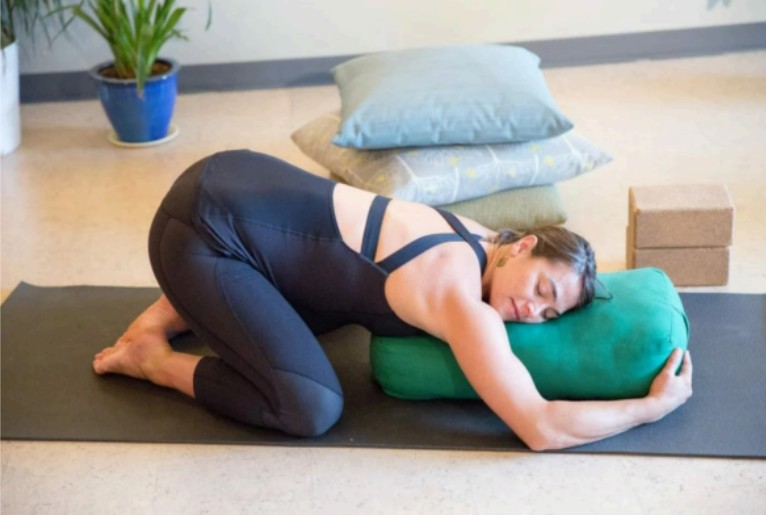
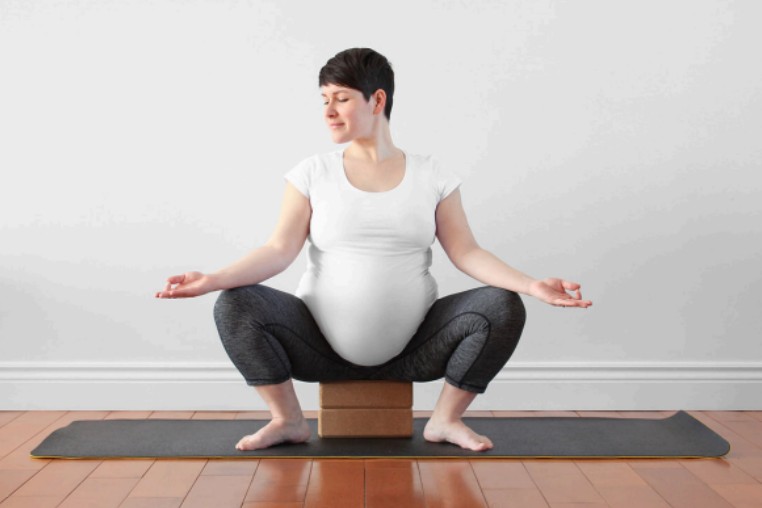
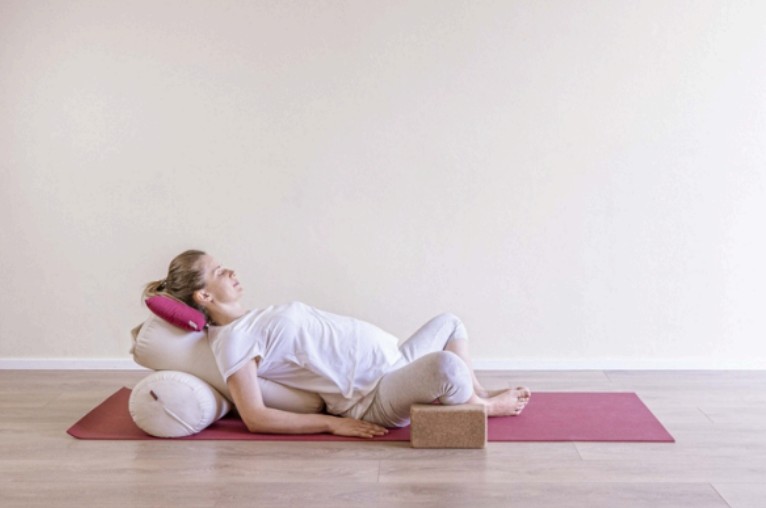
Learning how to relax your pelvic floor is one of the most important parts of birth preparation. During labor, these muscles need to lengthen and relax to allow your baby to move through the pelvic floor during delivery. When the pelvic floor stays tense, it can make pushing less effective and increase the risk of tearing or prolonged labor. Practicing pelvic floor relaxation ahead of time helps your body respond more naturally during birth allowing for a smoother, more efficient, and often more comfortable delivery.
How to Perform:
- Get into a comfortable position (see photos for examples of positions that help encourage pelvic floor relaxation)
- Inhale. Gently breathe in through your nose and imagine breathing all the way down to your pelvic floor. (ie. picture your pelvic floor as a flower that is blossoming/opening as you inhale).
- As you breathe out, allow the ribs and tummy to passively fall back to their original resting position.
- Do not force either the breath in or out.
- Perform 5-10 breaths a few times per day.
Pushing Mechanics
Understanding how to push effectively during labor can make a huge difference in both your comfort and your recovery. There are two main types of pushing: opened-throat and closed-throat pushing, and each has its time and place.
Closed-throat pushing happens when you hold your breath, bear down, and push forcefully.
- Advantage: You can generate a lot of force to help move the baby through the birth canal.
- Disadvantage: Creates significant pressure on the pelvic floor, which can increase the risk of pelvic floor injury or tearing.
Opened-throat pushing, on the other hand, involves pushing while exhaling without holding your breath. This allows pressure to escape through the throat rather than down onto the pelvic floor.
- Advantage: Protects the pelvic floor and promotes a gentler, more gradual descent of the baby.
- Disadvantage: Doesn’t create as much force as closed-throat pushing.
Ideally, opened-throat pushing is best used through the first ~70% – 80% of active labor to allow the baby to descend naturally and minimize strain on the pelvic floor. Closed-throat pushing can then be reserved for the final few pushes — just enough to help baby clear the pelvic floor safely and effectively.
Optimal Pelvic Positioning: Opening the Pelvic Inlet vs. Outlet
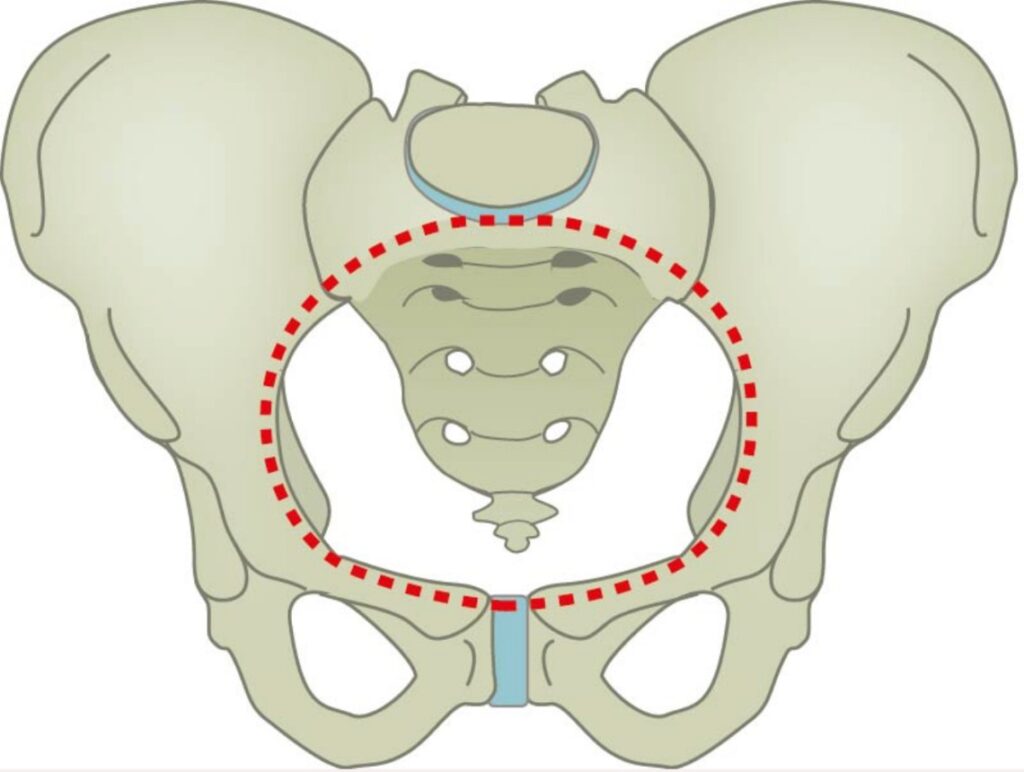
Opening the Pelvic Inlet
During early labor, the goal is to open the pelvic inlet to help the baby descend into the birth canal.
Positions that achieve this include the following components:
- Knees up toward your chest
- Knees apart
- Feet together
- Posterior tilt of the pelvis (ie. “tuck your butt”).
These movements help widen the upper pelvis or pelvic inlet, and guide the baby downward in the birth canal.
Opening the Pelvic Outlet
During late labor and pushing, the focus shifts to opening the pelvic outlet to allow the baby to pass safely through the lower birth canal.
Positions that achieve this include the following components:
- Knees together
- Feet apart
- Anterior tilt of the pelvis (ie. “stick your tail out”)
These adjustments help expand the lower pelvis, reduce pressure on the perineum, and create an optimal angle for the baby’s exit.
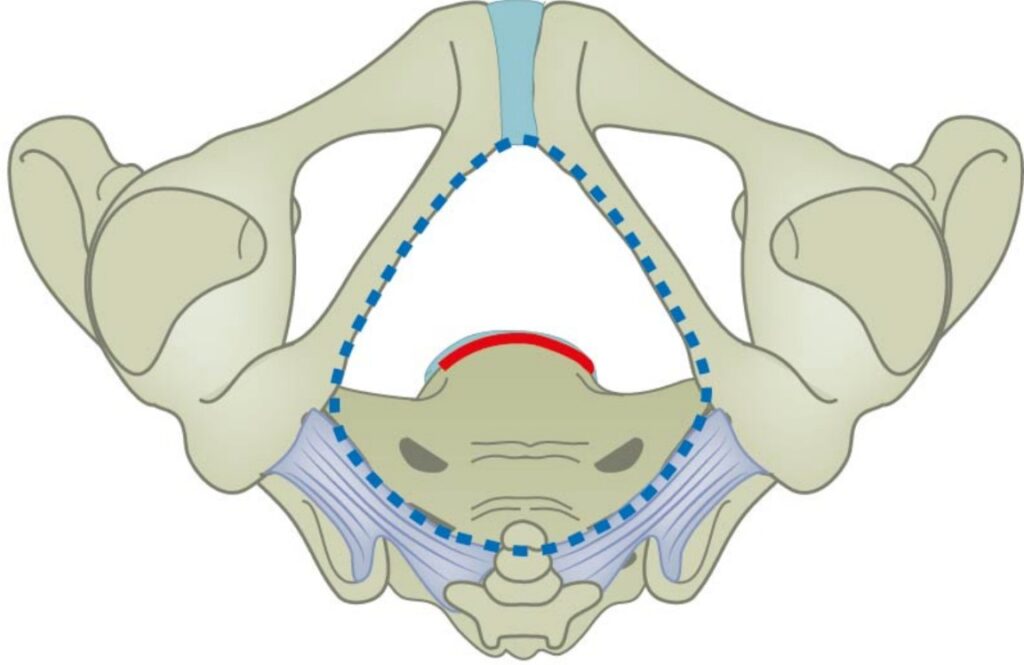
Understanding and practicing these positions during birth preparation can help labor progress more smoothly and protect your pelvic floor.
Guidance for Early Labor
Early labor is the first phase of labor, when contractions are usually mild, irregular, and may last a few hours to a day or more. During this phase, the cervix begins to dilate and the baby starts to descend into the birth canal. Early labor is the perfect time to focus on gentle strategies that help your body progress naturally while conserving energy for active labor and pushing.
Three Key Focuses of Early Labor:
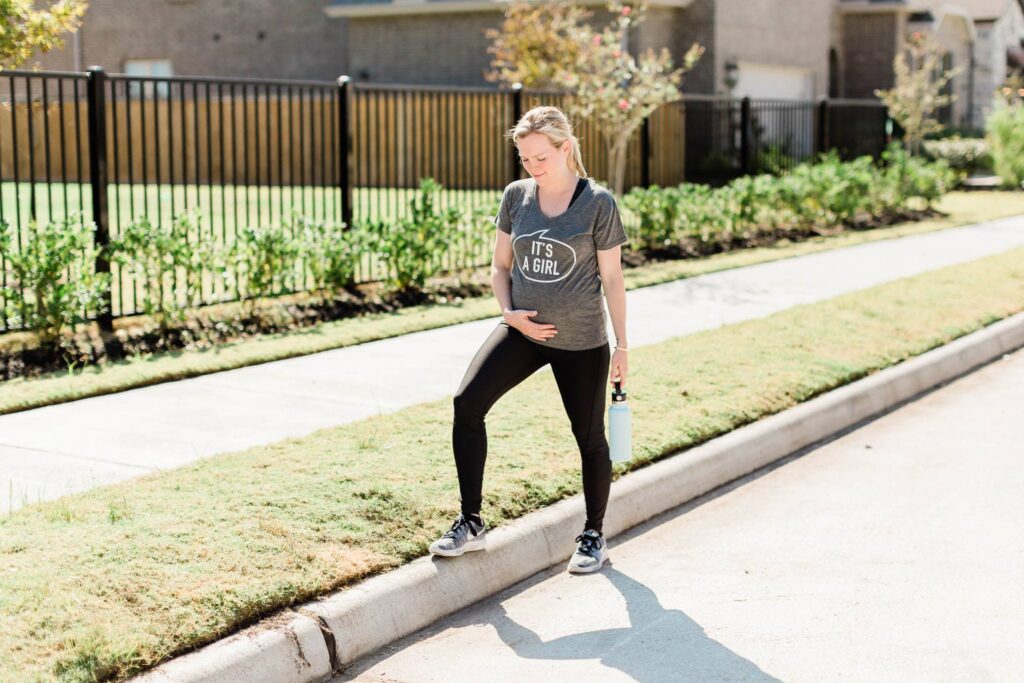
- Movement:
Gentle, purposeful movement helps “wiggle” the pelvis, encouraging the baby to descend in the birthing canal and align optimally. - Examples include:
- Walking around your home or outside
- Curb walking (walking with one foot up on a curb and the other foot on the ground)
- Hip circles while sitting on a yoga or birth ball
Relaxation (between contractions):
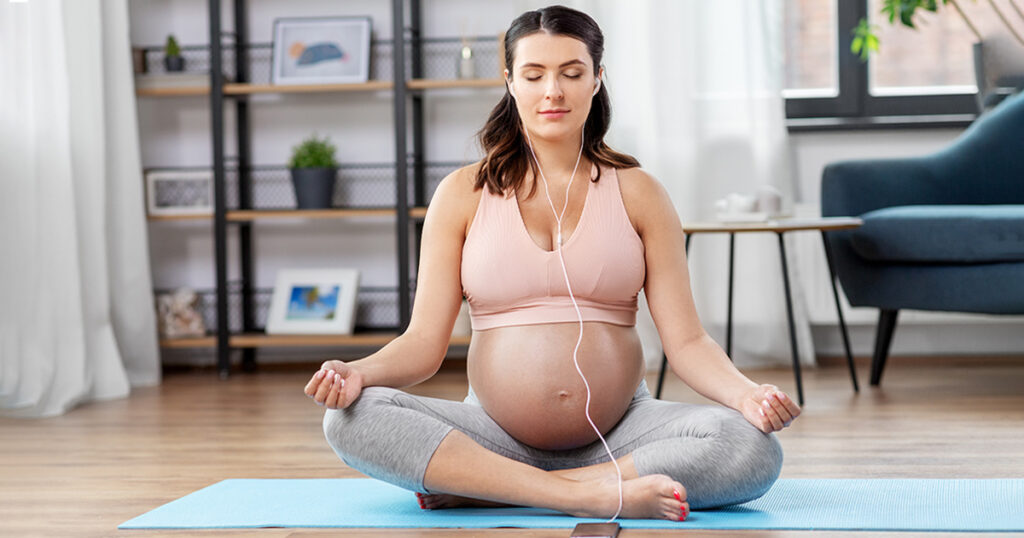
Resting and calming your body during early labor is just as important as movement. Relaxation helps keep the pelvic floor pliable and prevents unnecessary tension.Techniques include:
Deep diaphragmatic breathing to promote pelvic floor relaxation
Warm baths or showers
Listening to calming music
Meditation or mindfulness exercises
Opening the Pelvic Inlet (during contractions): During each contraction, focus on positioning your body to maximize space for the baby to descend.
Use positions that open the pelvic inlet:
Knees pulled toward the chest
Knees apart, feet together
Pelvis tilted posteriorly (“butt tucked”)
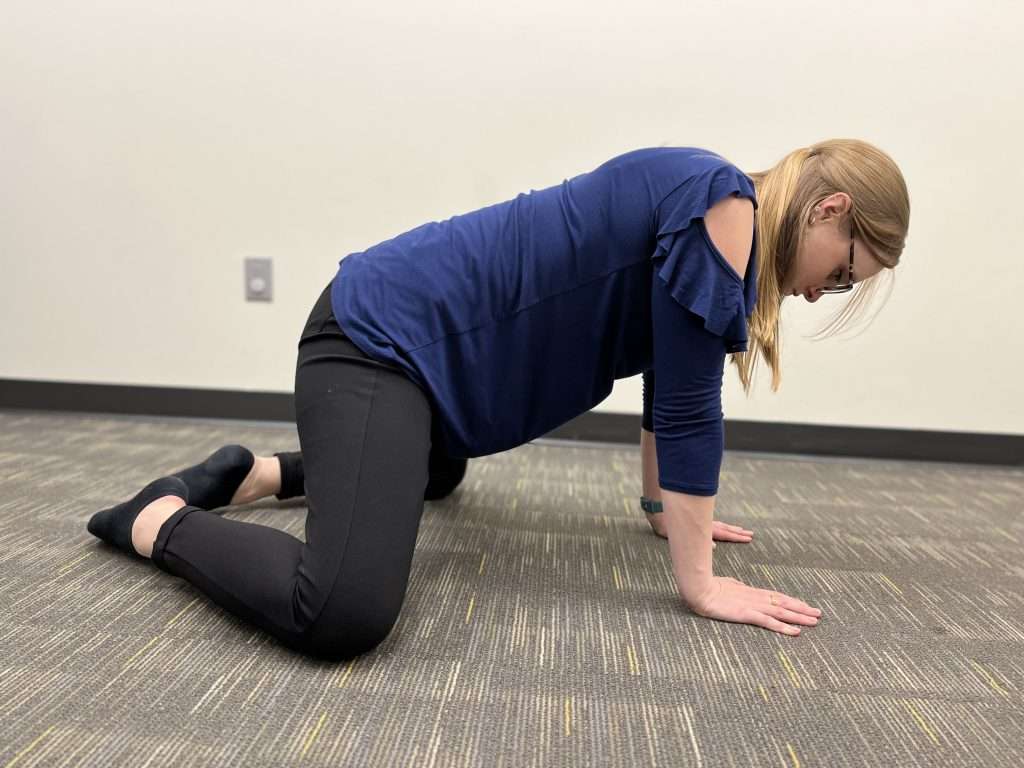
Alternating between movement, relaxation, and optimal pelvic positioning can help early labor progress efficiently, reduce discomfort, and set the stage for a smoother active labor and pushing phase.
Birth preparation with Revitalize Athletics helps you feel prepared and confident heading into labor. We guide clients through perineal prepping and pelvic floor relaxation, teach effective pushing mechanics, and practice optimal pelvic positions to support safe labor. We also provide strategies for gentle movement and relaxation during early labor to help the baby descend and keep labor progressing towards a successful delivery.
Ready to feel prepared? Book a free 15-minute discovery call to see how birth preparation with Revitalize Athletics can help you.
Contact Us Today
Not sure where to start?
Schedule your free 15-minute consultation.
Returning client or ready to get started with therapy today? Call us to schedule your appointment.